Upper House as rehearsal
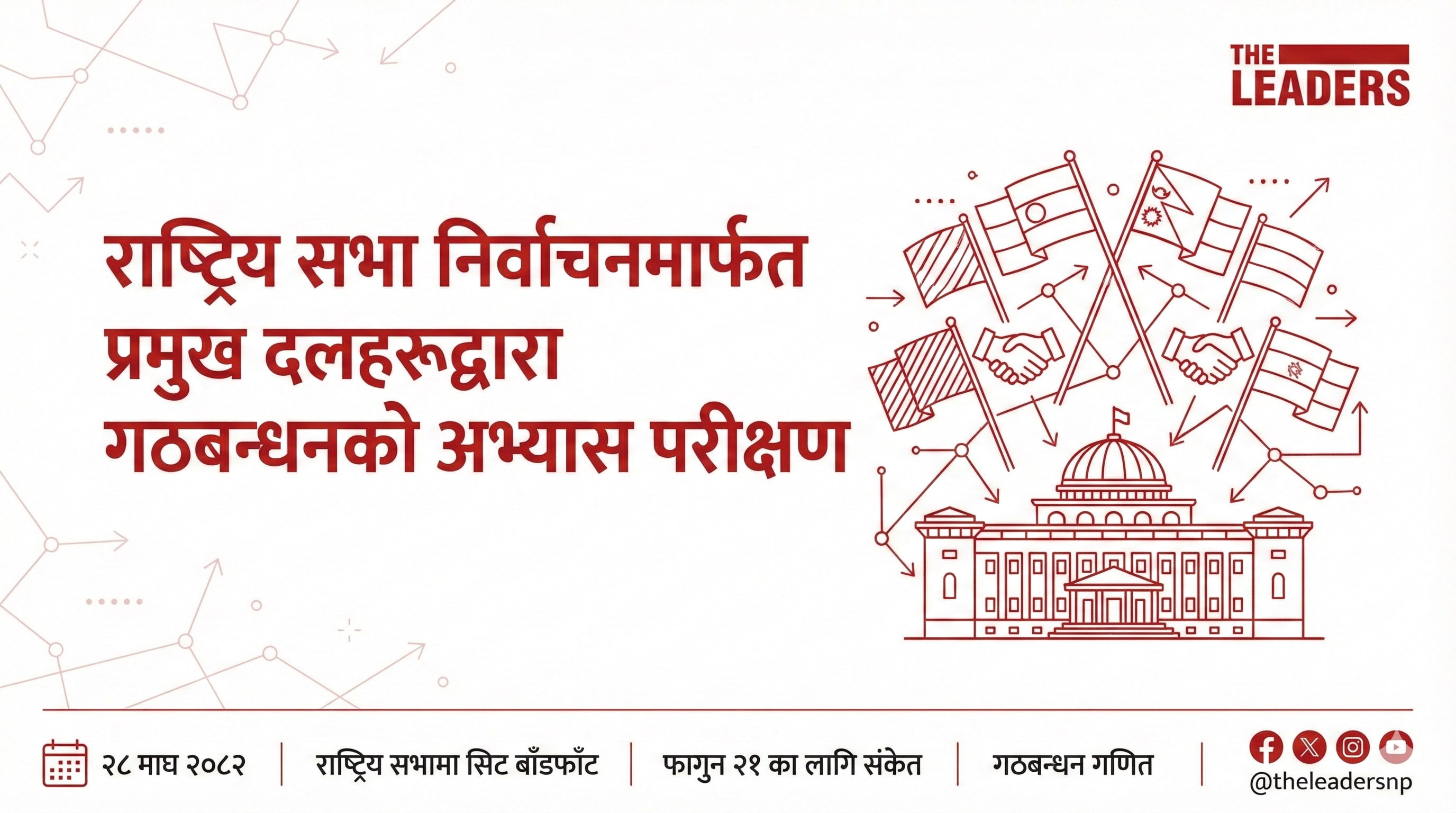
Reports from Kathmandu Post and other outlets show that Nepali Congress, CPN-UML and the newly configured communist front negotiated seat-sharing for the January 25 National Assembly elections. Leaders openly described the exercise as a test of cooperation mechanisms that could later be adapted for the March 5 House of Representatives race.
What this signals for March 5
If the parties conclude that combined tickets helped them secure more upper house seats, they may be more inclined to replicate similar arrangements in marginal constituencies at the federal level. Madhes-based parties are also watching the formula closely as they weigh whether to join broader alliances or protect regional strongholds independently.
Voter implications
For voters, such cross-party deals can be double-edged. On one hand, alliances can reduce vote-splitting and produce clearer mandates. On the other, they can limit choice in some constituencies if local candidates are decided by central-level bargaining rather than grassroots consultation.