Deeper Election Analyses
Deeper dives into the political dynamics, narratives, and numbers behind Nepal's 2026 election. Curated analysis pieces from The Leaders editorial desk.
Editor: The Leaders Editorial
The rise of newcomer alliances, especially around Rastriya Swatantra Party and Balendra Shah, has disrupted Nepal’s traditional party arithmetic. Whether this energy can be converted into durable organisation and policy clarity will help decide if 2026 marks a generational shift or just a protest spike.
Full reader view available
Feb 28, 2026
Editor: The Leaders Editorial
With days left before Nepal’s 2026 House of Representatives election, the Election Commission says logistics are complete and security agencies report robust deployment. Yet questions remain about voter trust, inclusion, and the system’s ability to manage misinformation and post-poll uncertainty.
Full reader view available
Editor: The Leaders Editorial
The 2026 snap election is a direct consequence of last year's youth-led uprising. New alliances, interim governance and voter expectations are all being shaped by Gen Z anger over corruption and impunity.
Full reader view available
Editor: The Leaders Editorial
The March 5 House of Representatives election will again combine 165 first-past-the-post seats with 110 proportional representation seats. Understanding how these two tiers interact is essential to reading party strategies, coalition maths and what the new Parliament might look like.
Full reader view available
Editor: The Leaders Editorial
Three broad alliances centred on Nepali Congress, CPN (UML) and CPN (Maoist Centre) dominate the 2026 race, yet the party system remains fragmented and fluid. How these blocs interact with rising forces and regional parties will shape not only the election result but the prospects for stable government under Nepal’s mixed system.
Full reader view available
Feb 15, 2026
Editor: The Leaders Editorial
The March 5, 2026 election will be one of the largest logistical operations in Nepal’s democratic history. A final roll of 18.9 million voters and an expanded network of polling centres create opportunities for broader inclusion, but also expose weaknesses in infrastructure, administration and trust.
Full reader view available
Editor: The Leaders Editorial
The March 5 election is not just a contest between parties; it is a contest between political generations and organisational models. Traditional forces are experimenting with alliances, while new entrants like the Balen–Rabi front seek to convert urban frustration into a national breakthrough.
Full reader view available
Editor: The Leaders Editorial
The Election Code of Conduct 2082 arrives at a volatile moment: a dissolved parliament, an interim government and an early general election on March 5, 2026. Its detailed rules on state resources, social media and inclusion will quietly, but decisively, shape how parties fight this campaign.
Full reader view available
Editor: The Leaders Editorial
The March 5 election is the product of intense youth-led protests against corruption and democratic stagnation. This piece explores whether the interim government, the Election Commission and political parties are doing enough – through the code of conduct, electoral reforms debate and candidate selection – to answer Generation Z’s call for cleaner politics.
Full reader view available
Editor: The Leaders Editorial
With the House of Representatives election scheduled for March 5, Nepal is attempting something unusual in its recent democratic history: a nationwide federal and provincial vote at the tail-end of winter. This analysis examines whether logistics, weather planning and security coordination are keeping pace with the political timetable.
Full reader view available
Editor: The Leaders Editorial
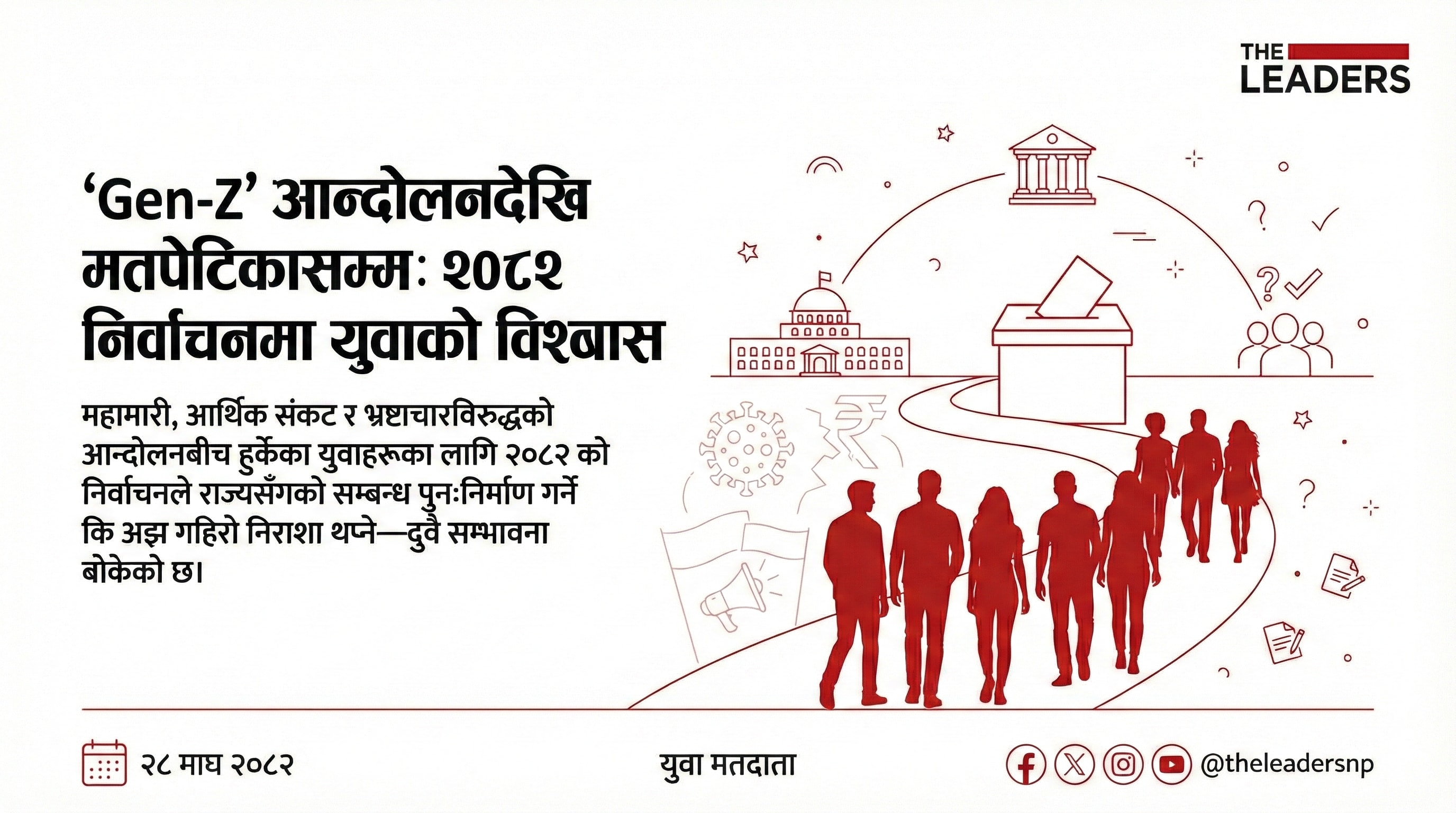
The March 5 election is the first national test of whether the anger that fuelled the Gen-Z protests can be channeled into constructive democratic participation. Institutions now face a dual challenge: protecting youth rights on polling day and responding credibly after the votes are counted.
Full reader view available
Editor: The Leaders Editorial
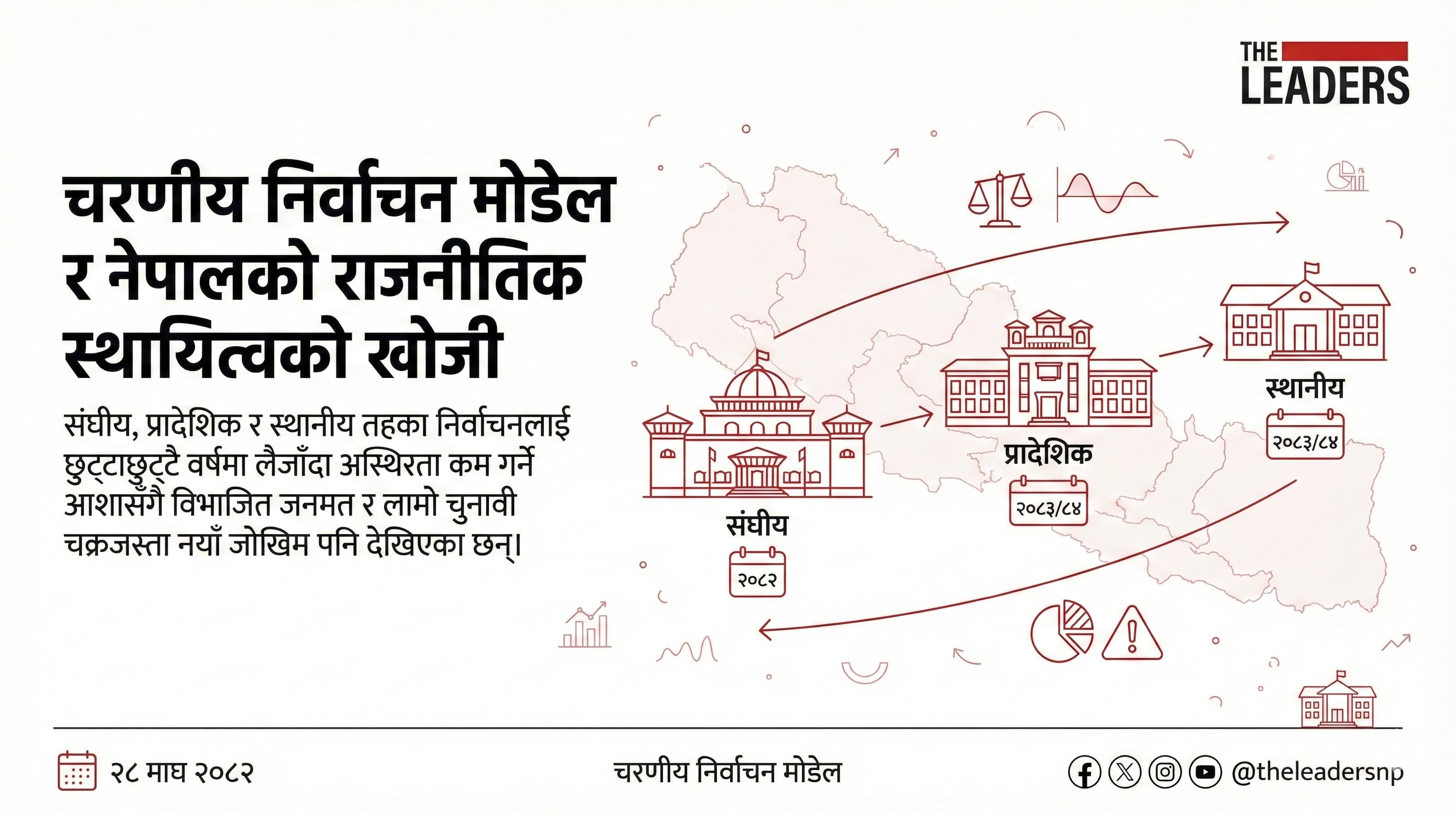
Separating federal, provincial and local polls is one of the most consequential choices ahead of Nepal’s March 5, 2026 election. It could reduce simultaneous instability, but it also creates new risks for fragmented mandates and longer campaign cycles.
Full reader view available
Editor: The Leaders Editorial
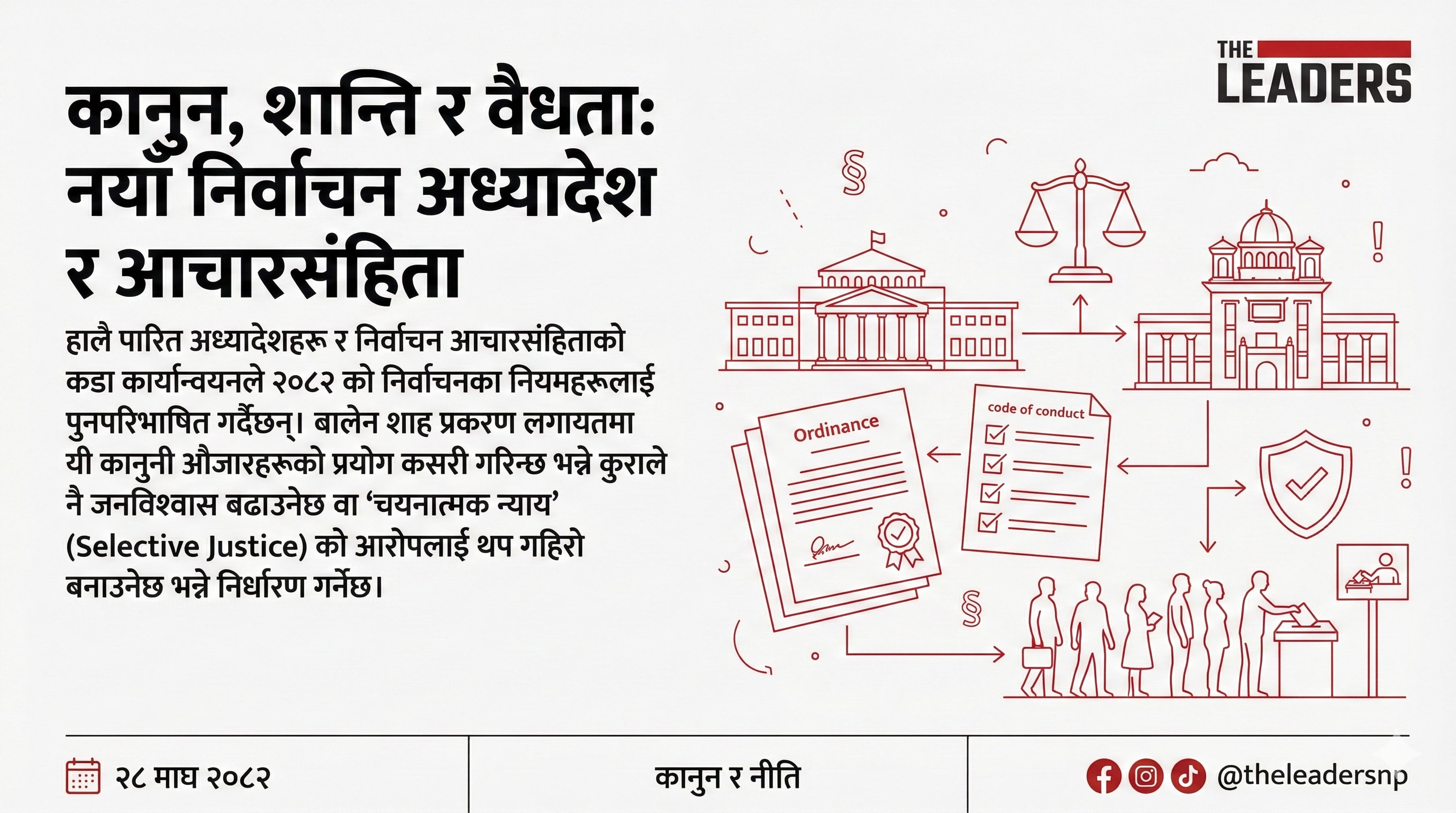
Recent ordinances and stricter enforcement of the Election Code of Conduct are reshaping the rules of the game for Nepal’s 2026 polls. How these tools are applied—in the Balen Shah case and beyond—will determine whether they enhance public trust or deepen accusations of selective justice.
Full reader view available
Editor: The Leaders Editorial
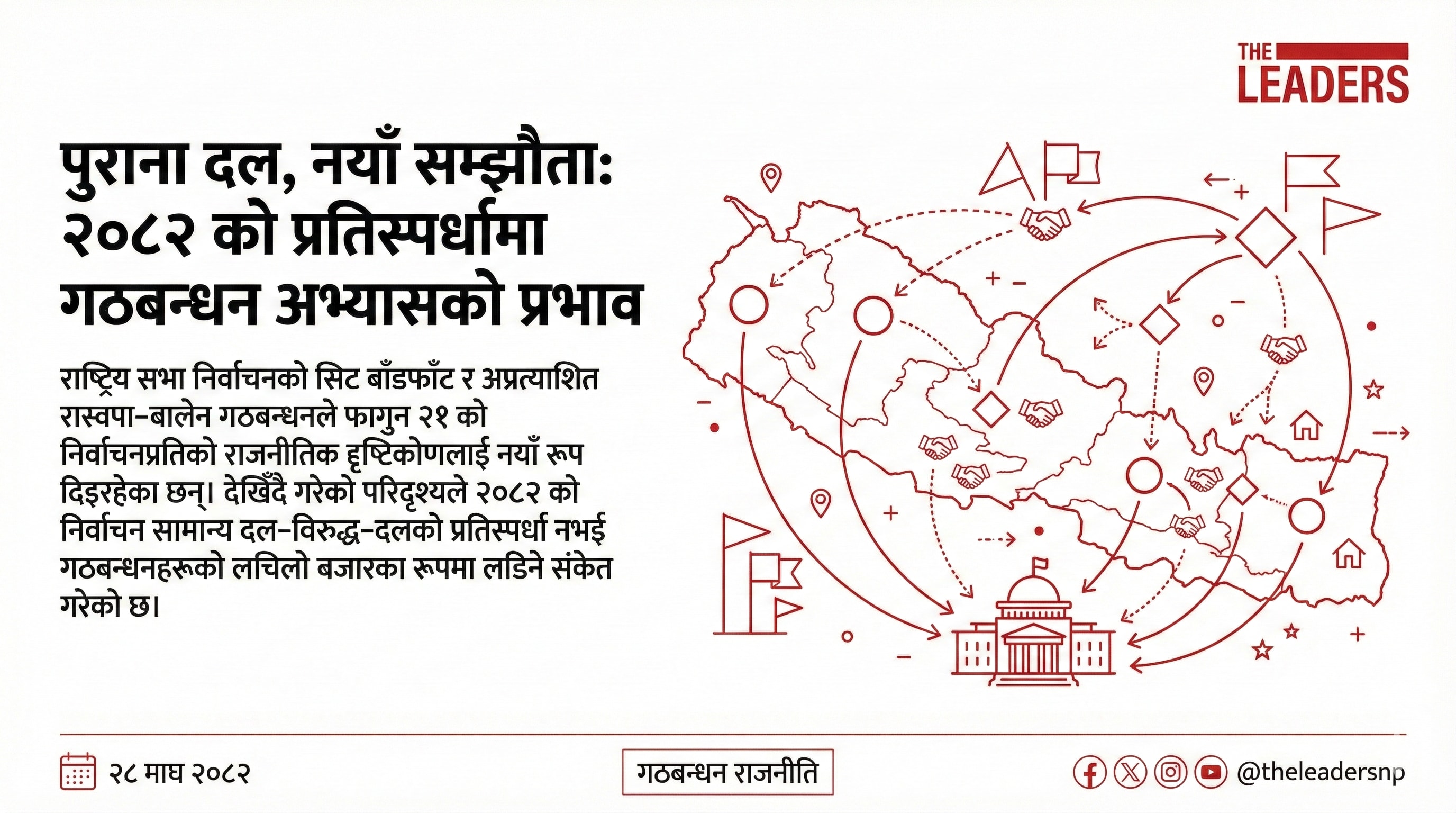
Seat-sharing talks in the National Assembly elections and the unexpected RSP–Balen alliance are redefining how political actors approach the March 5 polls. The emerging pattern suggests that 2026 will be fought less as a simple party-versus-party contest and more as a fluid marketplace of alliances.
Full reader view available
Feb 10, 2026
Editor: The Leaders Editorial
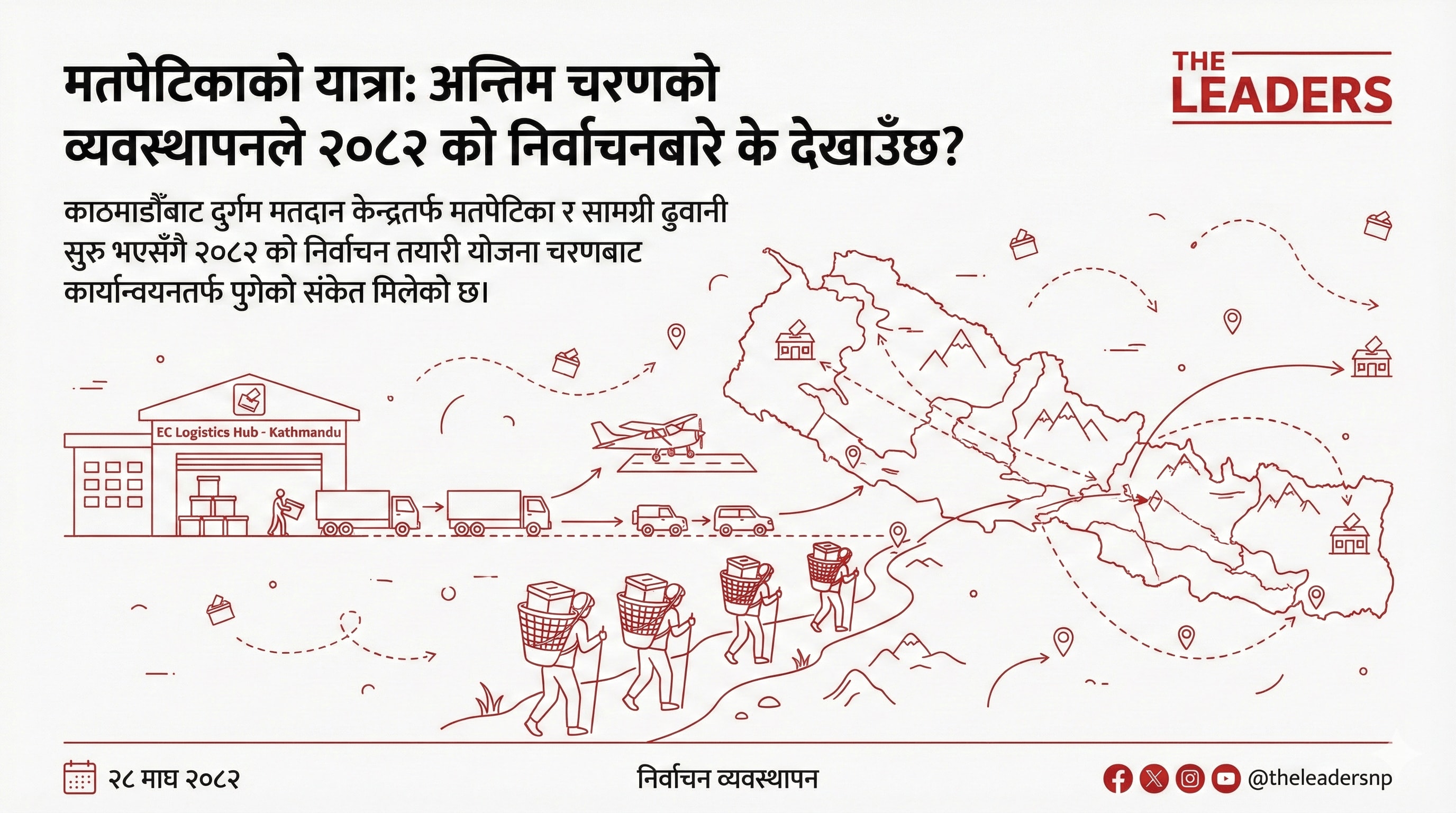
As ballot boxes start their journey from Kathmandu to some of the world’s most remote polling centres, Nepal’s 2026 election is shifting from planning to execution. The way this final logistical push is handled will quietly decide how inclusive, credible and timely the March 5 vote feels to ordinary citizens.
Full reader view available
Editor: The Leaders Editorial
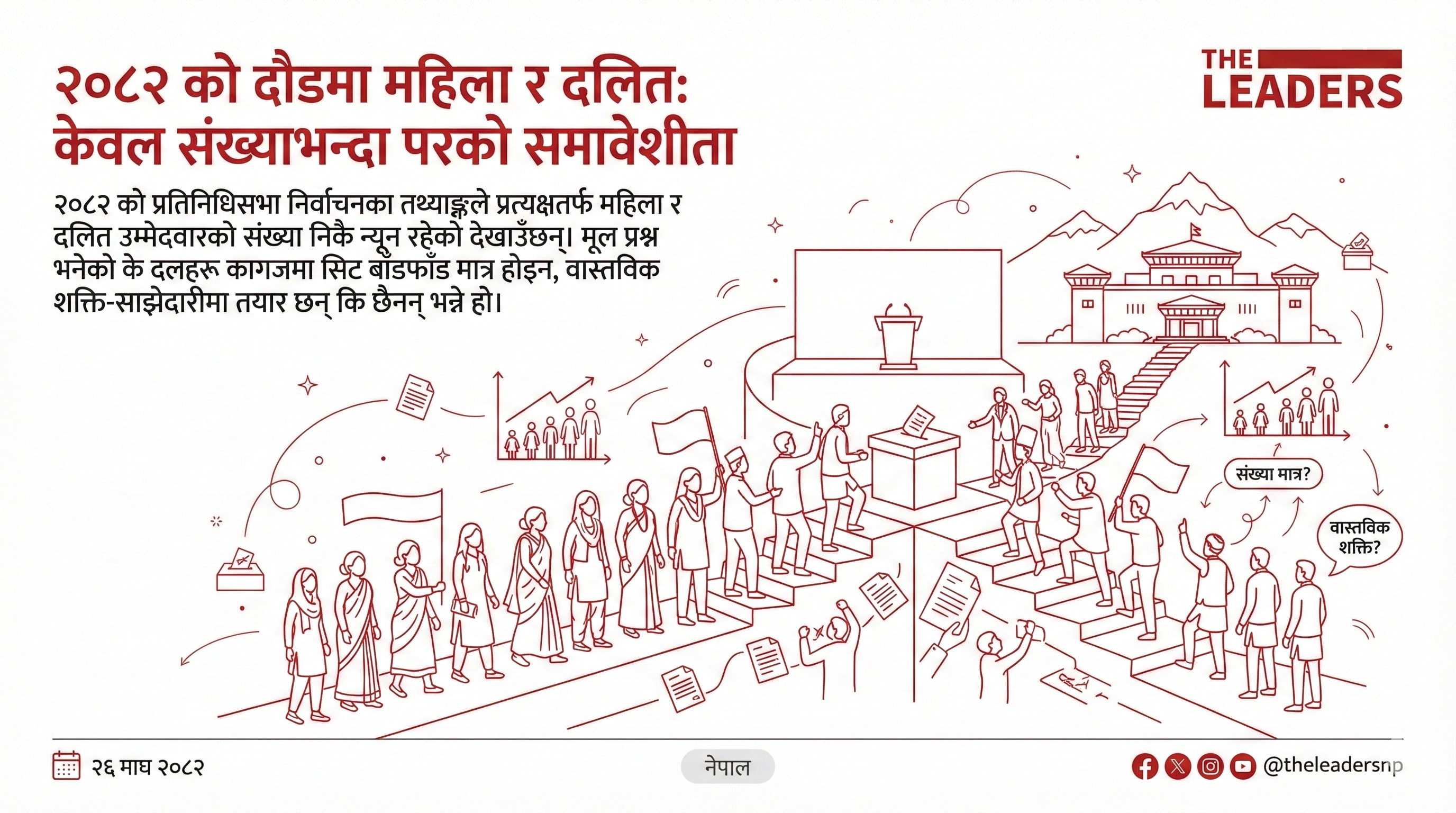
Headline figures for the 2026 House of Representatives election reveal low direct candidacy for women and Dalits. The deeper question is whether parties are willing to share power, not just redistribute seats on paper.
Full reader view available
Editor: The Leaders Editorial
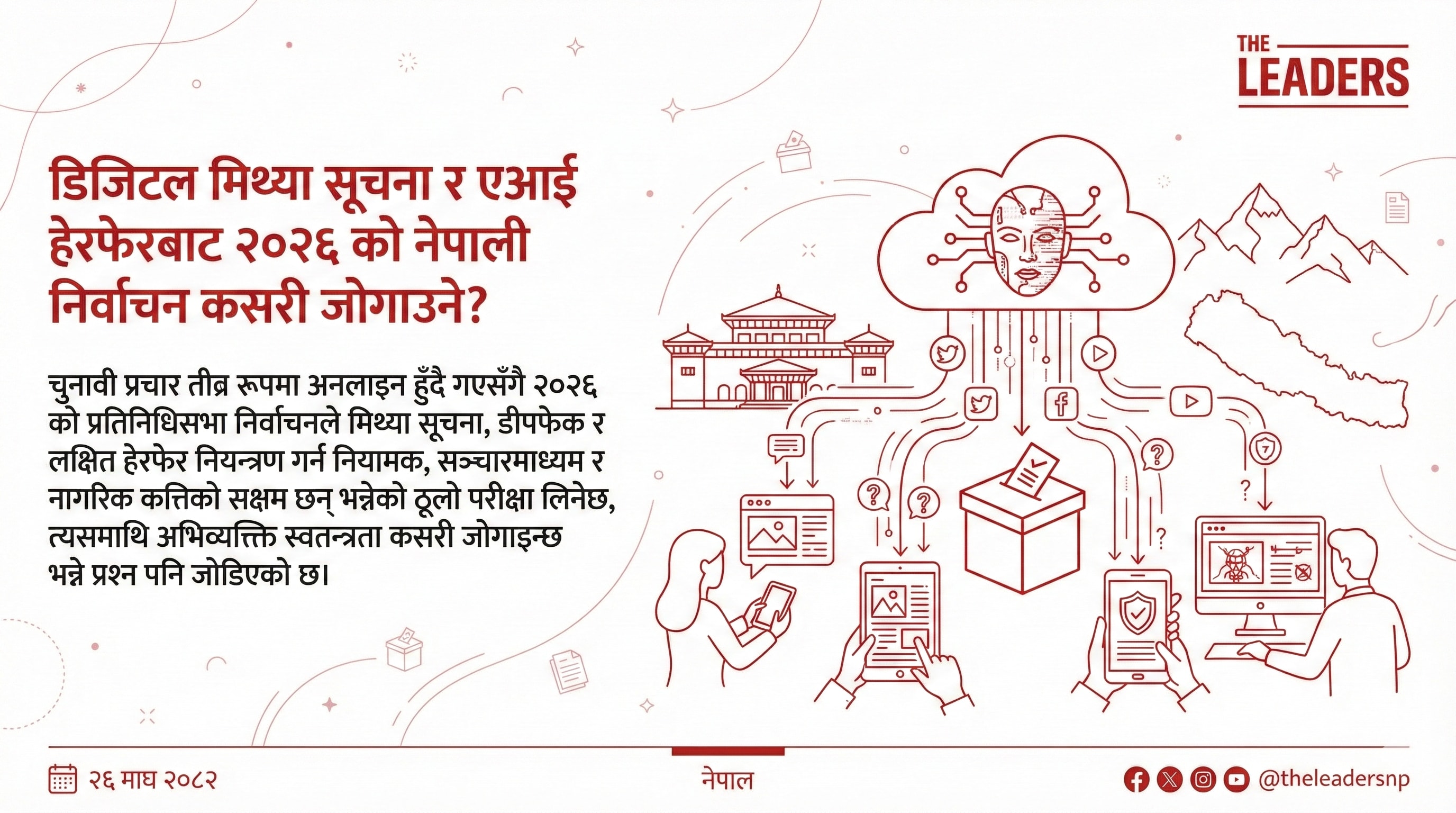
As campaigns move online, Nepal’s 2026 House of Representatives election will test whether regulators, media and citizens can contain misinformation, deepfakes and targeted manipulation without undermining free expression.
Full reader view available
Editor: The Leaders Editorial
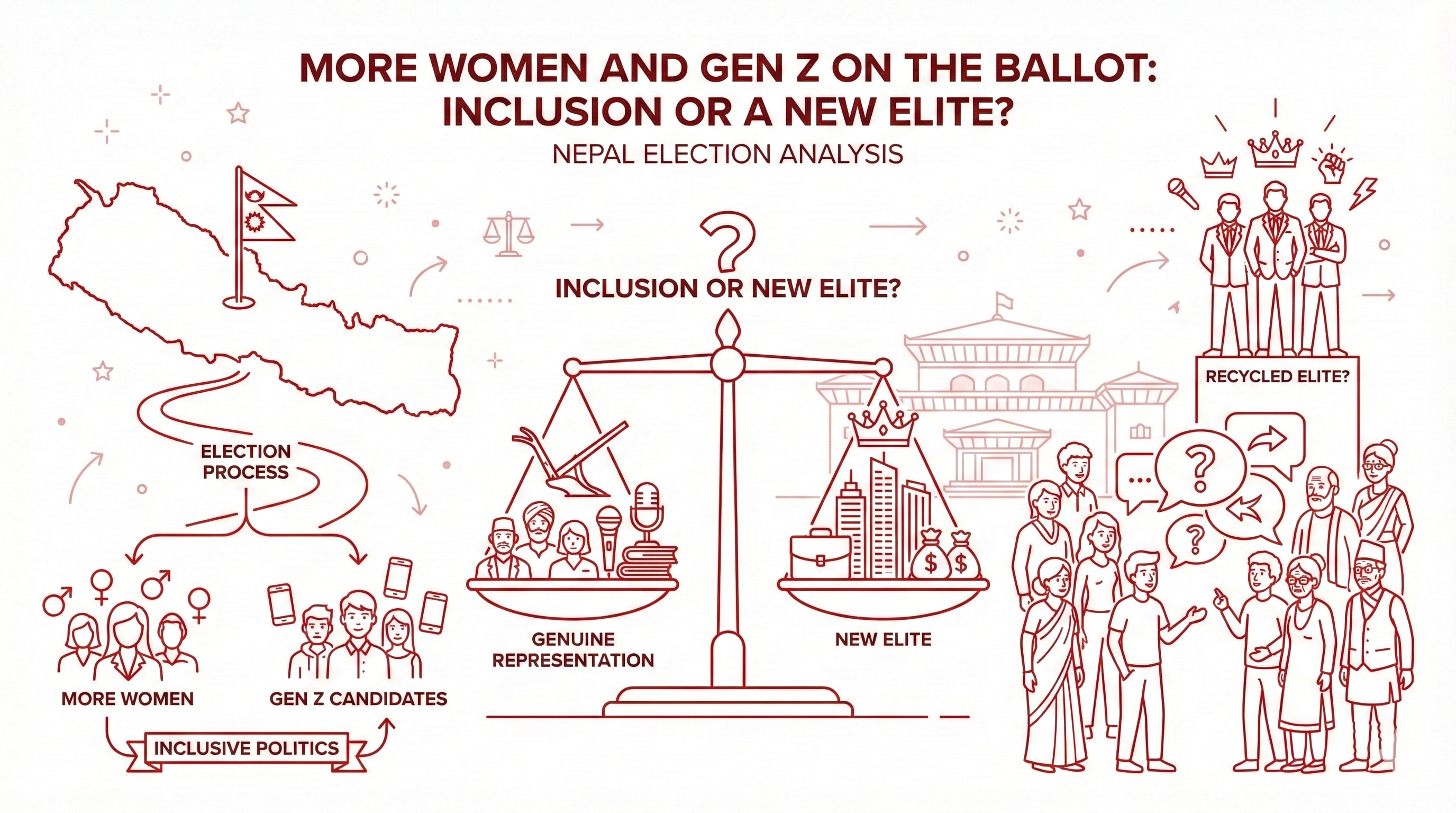
The 2026 House of Representatives election features more women on proportional lists and a visible wave of young candidates, especially in Madhesh. But the deeper question is whether these shifts change who holds power, or simply refresh the faces of a familiar political class.
Full reader view available
Editor: The Leaders Editorial
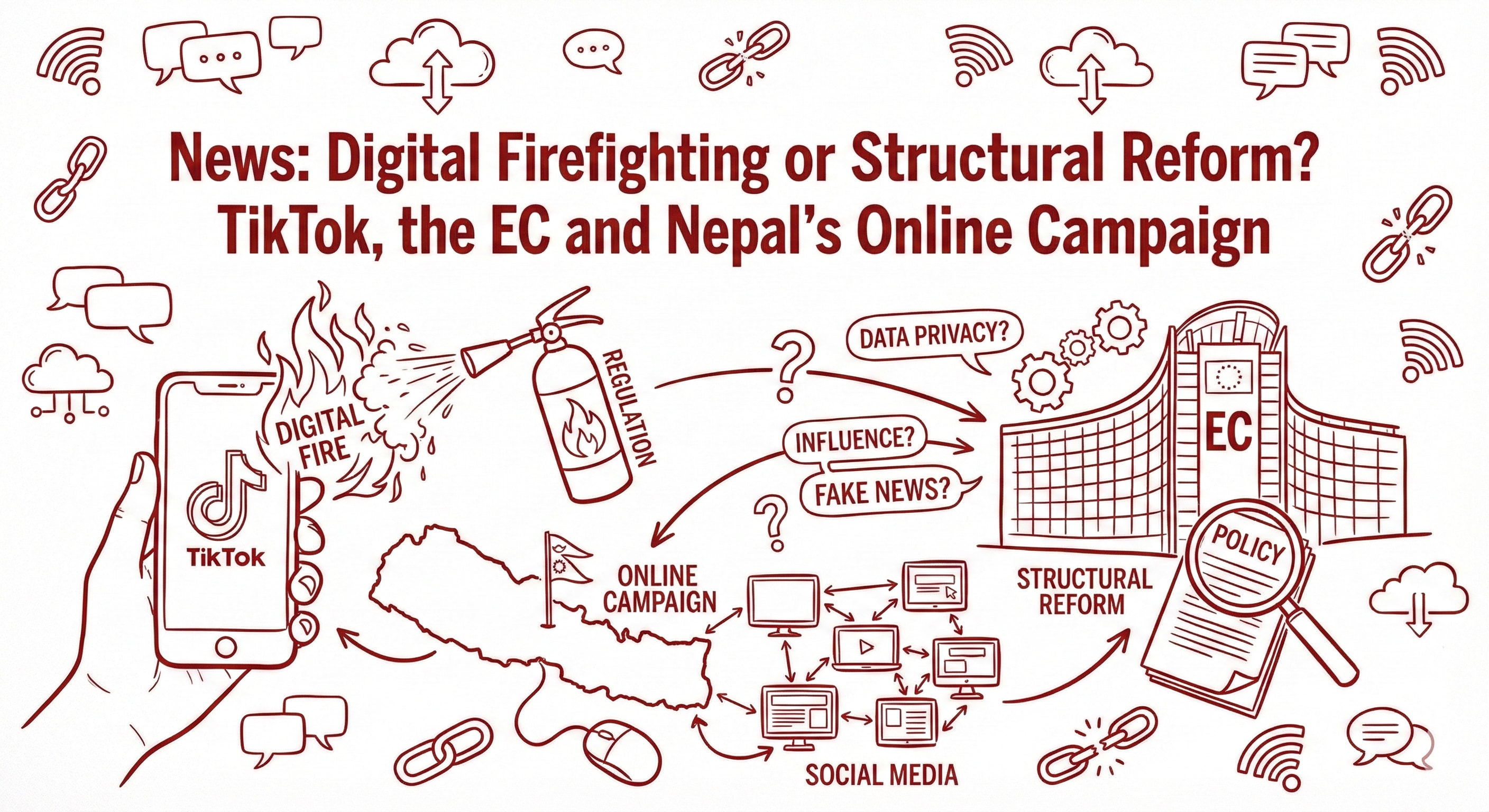
With just weeks until the March 5 election, the Election Commission has turned TikTok from a former villain into a formal partner. The deal promises cleaner feeds and less misinformation, but it also exposes deeper tensions between youth-led digital politics and a state still learning how to regulate speech fairly.
Full reader view available
Editor: The Leaders Editorial
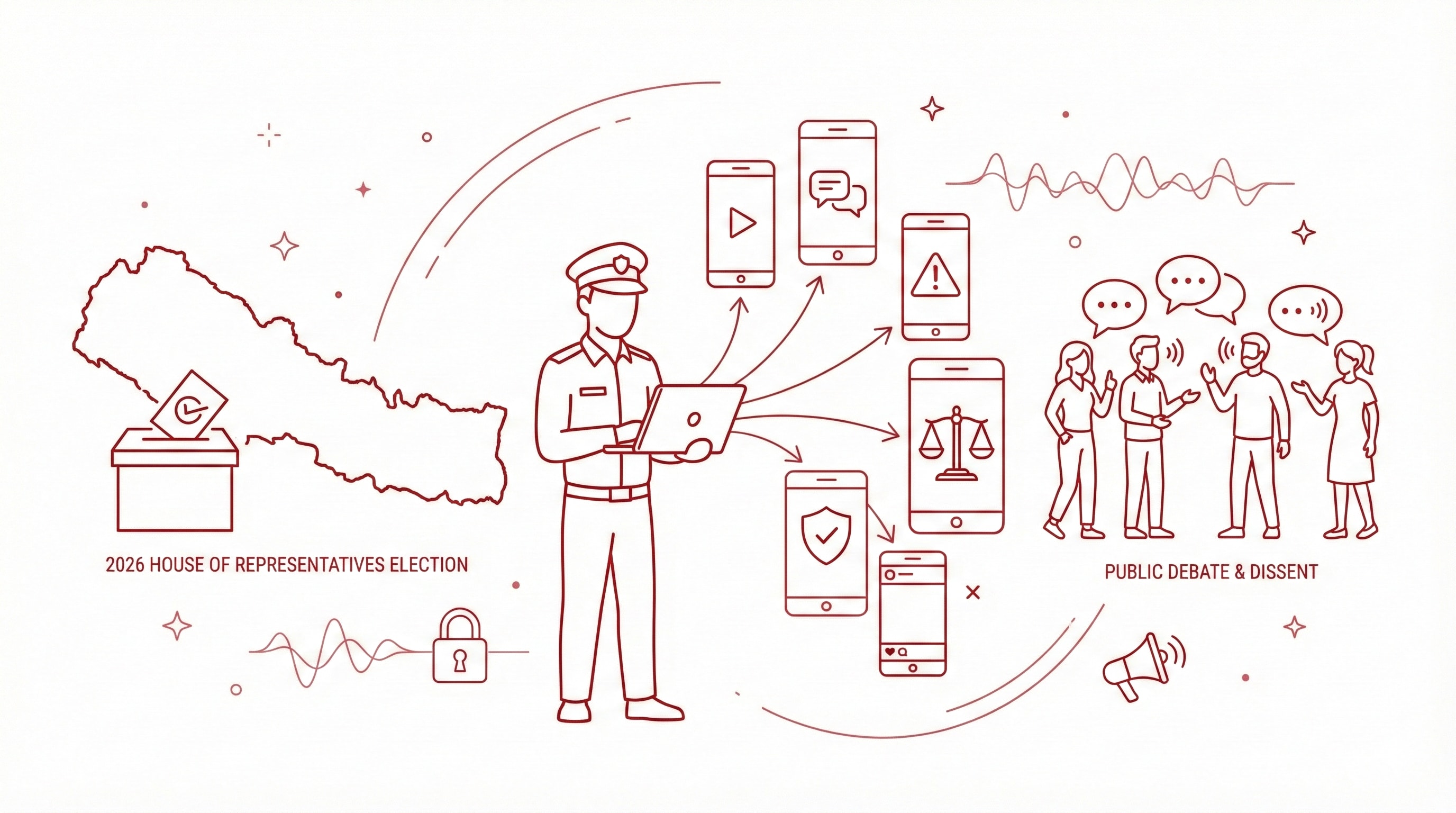
The 2026 election is Nepal's first national test of strict new rules on social media, artificial intelligence and online campaigning. The challenge is to curb manipulation and hate speech without shrinking the space for scrutiny, satire and citizen voice.
Full reader view available
Editor: The Leaders Editorial
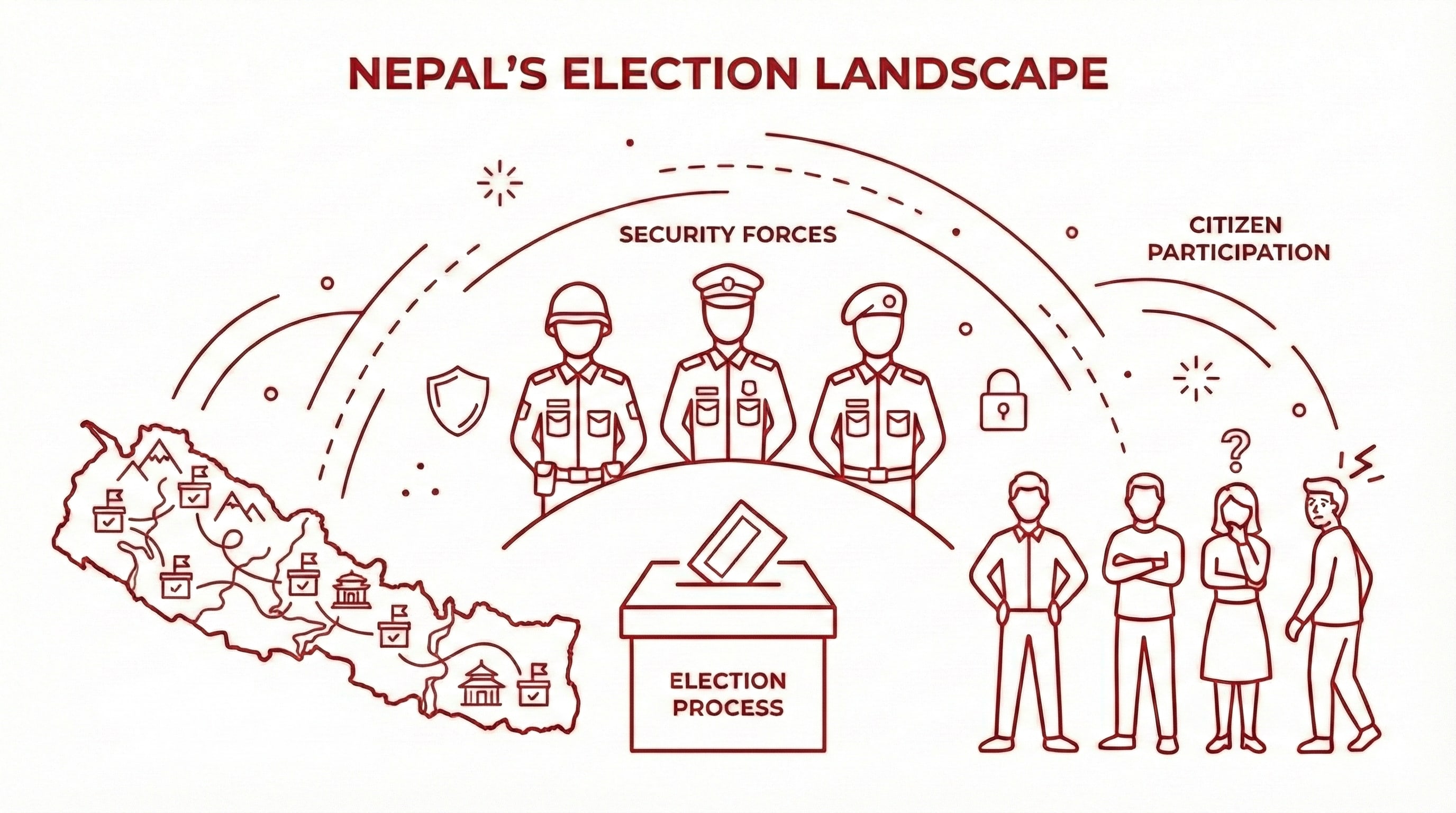
Nearly 338,000 security personnel and the Nepali Army's visible deployment are reshaping the atmosphere of Nepal's March 5 election. The question is whether this layered security will reassure voters or deepen anxieties about power, neutrality and trust.
Full reader view available